

For businesses in Singapore, including SMEs, law firms, property management companies, telecommunications providers, and medical clinics, unpaid debts pose a significant threat to cash flow and operational stability. Recovering these debts efficiently requires expertise and compliance with local laws.
While the temptation to use cheaper, unlicensed debt collectors may be strong, the risks can far outweigh the benefits. In Singapore, using an unlicensed debt collector exposes businesses to serious legal, financial, and reputational risks.
This article explores the risks associated with unlicensed debt collection, outlines compliance requirements, and provides actionable guidance on using a licensed debt collection service to recover debts safely and effectively.
What Constitutes an Unlicensed Debt Collector?
An unlicensed debt collector is any individual or company that pursues debt recovery in Singapore without a valid licence issued by the Ministry of Law (MinLaw).
Licensed debt collectors are regulated under the Debt Collection Agencies Act, which ensures that debt collection practices are:
- Ethical
- Professional
- Legally compliant
In contrast, unlicensed collectors may use aggressive tactics that violate the Protection from Harassment Act (POHA), the Personal Data Protection Act (PDPA), or contract law, exposing your business to liability.
Also Read: Differences Between Licensed and Unlicensed Debt Collectors in Singapore
Key Legal Risks of Using Unlicensed Debt Collectors

1. Liability for Illegal or Aggressive Collection Practices
Unlicensed collectors may employ harassment tactics such as:
- Excessive phone calls or messages
- Threats of violence or property seizure
- Public shaming of debtors
Under POHA, businesses that engage unlicensed collectors can be held liable for harassment, leading to fines or even imprisonment.
2. Breach of Data Privacy Regulations
Unlicensed debt collectors may mishandle personal or corporate data:
- Sharing debtor information without consent
- Storing records insecurely
- Using information for purposes beyond debt collection
Violations of PDPA can result in financial penalties and reputational damage for the business that hired them.
3. Non-Enforceable Agreements
Debts collected through unlicensed agencies may not be legally enforceable if disputes arise. Without proper documentation or compliance, businesses risk:
- Debt repayment is being contested in court
- Increased time and cost to recover funds
- Loss of credibility with clients and stakeholders
4. Reputational Damage
Aggressive or unethical tactics by unlicensed collectors can harm your business:
- Clients may file complaints with regulatory authorities
- Negative publicity may affect partnerships and customer trust
- Future clients may avoid engaging with your business
Reputation is especially critical for law firms, medical clinics, and property management companies, where trust and credibility are key to ongoing operations.
5. Financial Penalties
Businesses can face direct fines and sanctions for employing unlicensed collectors:
- Under the Debt Collection Agencies Act, offenders risk substantial fines
- Businesses may also incur additional costs to remediate legal violations and recover debts properly
The cost savings promised by unlicensed debt collectors are often negated by fines, litigation, and reputational harm.
How Licensed Debt Collectors Protect Businesses
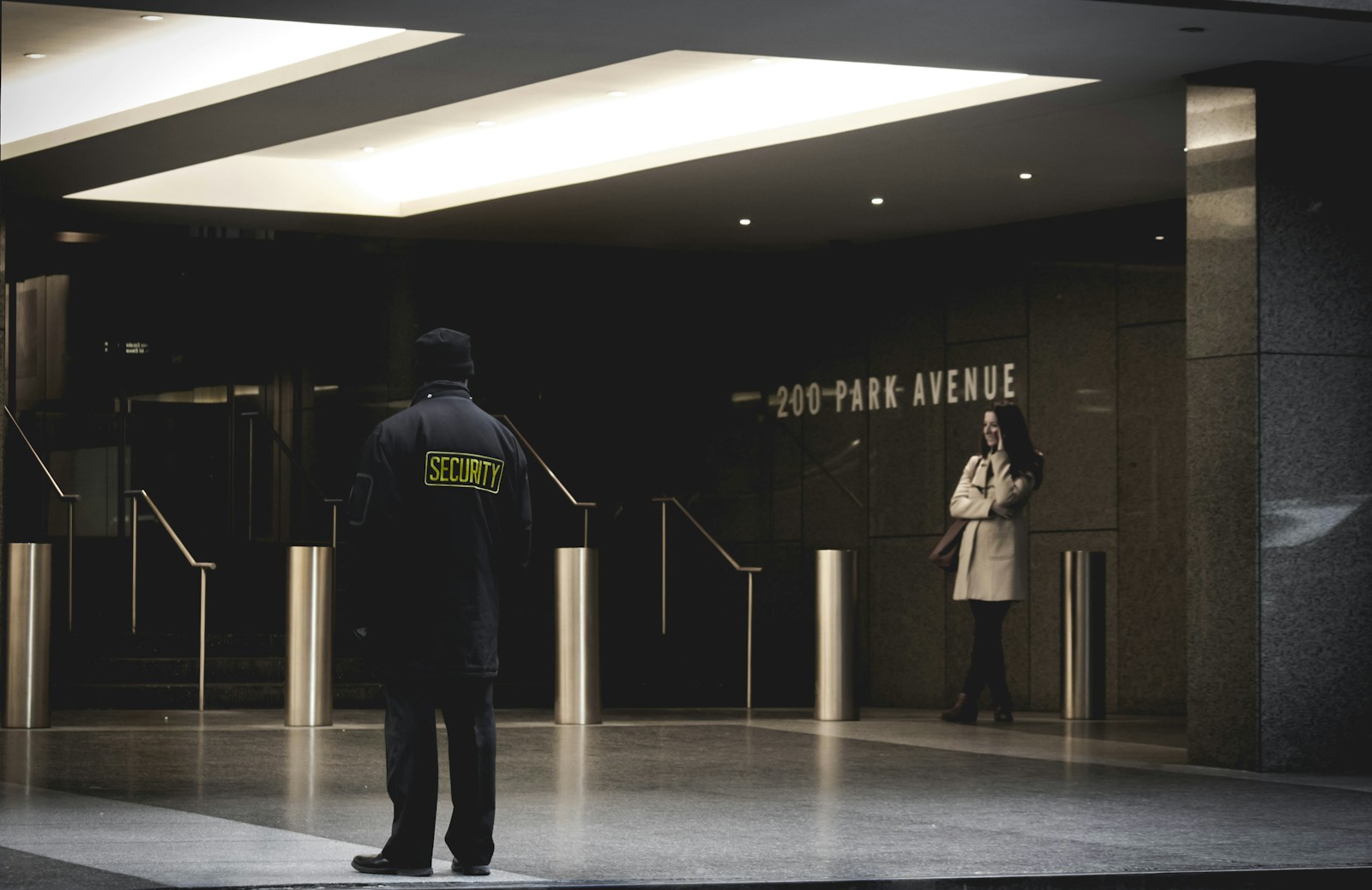
Using a licensed debt collector in Singapore provides:
- Legal Compliance: Licensed agencies operate under MinLaw regulations and adhere to POHA and PDPA requirements.
- Professional Recovery Practices: Structured communication and negotiation reduce the risk of harassment or disputes.
- Documentation and Enforcement Support: Licensed agencies provide records and evidence suitable for court escalation if needed.
- Industry Expertise: They understand sector-specific debt recovery nuances, including property management, healthcare, and telecommunications.
Pre-Legal Debt Recovery Options for Licensed Agencies
Licensed debt collectors typically follow structured pre-legal recovery steps:
- Invoice Verification: Confirm debt validity and documentation.
- Professional Communication: Send reminder letters and make formal contact calls.
- Negotiation: Offer structured repayment plans or settlement options.
- Escalation Guidance: Advise businesses on whether to escalate to Small Claims Tribunals or higher courts.
These steps minimize risk while maximizing recovery potential without resorting to illegal or aggressive methods.
Industry-Specific Implications
SMEs and Corporate Finance Teams
Unlicensed debt collection risks not only fines but also business disruption. SMEs benefit from licensed collectors who handle accounts professionally while preserving client relationships.
Law Firms
Legal service providers must avoid using unlicensed collectors, as doing so could expose the firm to malpractice claims and regulatory scrutiny.
Property Management & Landlords
Tenant arrears require careful management. Licensed collectors help recover rent while adhering to tenancy laws and POHA guidelines.
Telecommunications & Utility Providers
With high-volume accounts, licensed collectors ensure efficiency and compliance while minimizing customer disputes.
Medical and Dental Clinics
Patient arrears demand discretion and adherence to PDPA. Licensed collectors maintain confidentiality and professionalism, protecting the clinic’s reputation.
Steps to Ensure You Use Licensed Debt Collectors
- Verify MinLaw Licence: Confirm the agency is registered and licensed.
- Check References and Experience: Look for industry-specific expertise.
- Review Compliance Practices: Ensure adherence to POHA, PDPA, and contract law.
- Formalise Engagement: Use written agreements outlining responsibilities and fees.
- Monitor Performance: Regular updates and reporting ensure accountability.
Mini Case Study: Singapore SME
A small logistics company in Singapore faced several overdue invoices. Initially, they engaged an unlicensed collector, resulting in complaints and threats that nearly escalated to legal action.
After switching to a licensed debt collector:
- Communication became structured and compliant
- 85% of overdue payments were recovered within 90 days
- The business avoided fines and reputational damage
This demonstrates the critical importance of using licensed professionals.
Conclusion
Hiring unlicensed debt collectors in Singapore carries significant legal, financial, and reputational risks. Businesses risk liability under POHA and PDPA, unenforceable debt agreements, fines, and negative publicity.
Professional debt collection Singapore provides a compliant, professional, and efficient solution for debt recovery. By engaging certified professionals, businesses—from SMEs and law firms to property management companies and medical clinics—can recover outstanding debts safely, maintain client trust, and reduce the risk of legal consequences.
Protect your business and recover debts effectively by partnering with a licensed debt collector in Singapore. Professional services ensure compliance, efficiency, and peace of mind while safeguarding your company’s reputation.


