
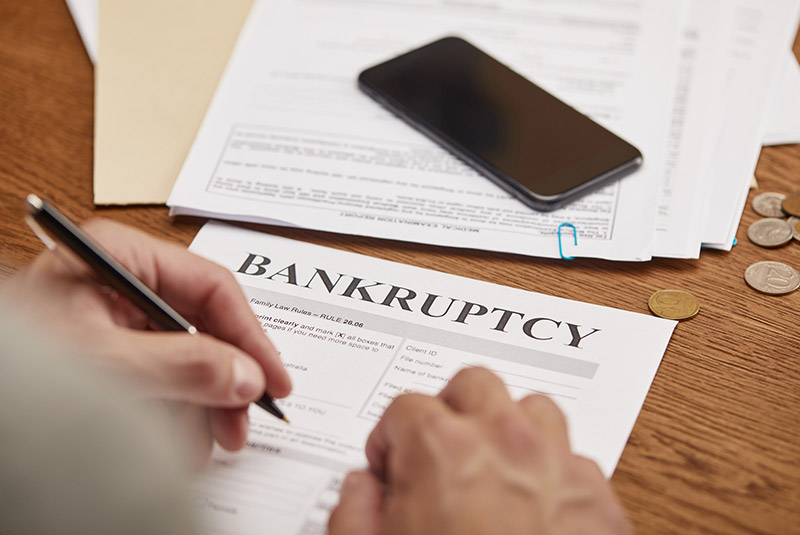
Unpaid debts can feel like a dead end. For many people and businesses, the word bankruptcy immediately comes to mind as the final step. While bankruptcy is a legally available remedy in Singapore, it is far from the only option. This post explains what bankruptcy means, outlines practical and legal alternatives, describes the role a professional authorised debt collection agency Singapore can play, and gives clear guidance to help debtors and creditors choose the right path.
Understanding bankruptcy in Singapore
What is bankruptcy?
Bankruptcy is a court process that applies to individuals and some types of sole proprietors who cannot pay unsecured debts. When a debtor is adjudged bankrupt, their assets may be realised to pay creditors, and restrictions are placed on their financial activities for a period determined by the court and applicable laws.
Who can be made bankrupt?
A debtor can be made bankrupt after a creditor successfully applies to the court. Typically, the creditor must first issue a statutory demand for payment and prove that the debtor owes the specified amount and has not complied. Courts consider the ability to pay, the nature of the debt, and any genuine disputes. Info Capital provides businesses with a reliable, compliant, and effective way to handle overdue payments in Singapore.
Alternatives to bankruptcy
Bankruptcy is a serious step with long-term consequences. Often, there are better alternatives that protect both creditors and debtors while enabling recovery.
Negotiation and repayment plans
Open negotiation between the creditor and the debtor is the most common and often the most productive route. Repayment plans can be structured to match the debtor’s cash flow, including:
- Reduced monthly instalments
- Extended repayment periods
- Lump-sum settlements at a discounted amount
A written repayment agreement protects both sides and creates a clear roadmap to resolution.
Debt consolidation
Debt consolidation involves combining multiple unsecured debts into a single loan with one payment. For many debtors, this simplifies administration and can lower the effective interest rate. Banks and licensed finance companies provide consolidation loans subject to credit approval.
Mediation and voluntary arrangements
Mediation is a neutral process in which a mediator helps the parties reach an agreement. Voluntary arrangements are negotiated settlements that put a structured plan in place without involving the courts. These options are faster and less costly than formal insolvency proceedings.
Engaging credit counselling services
Credit counselling agencies provide budgeting support, negotiation assistance, and training to help debtors regain control. Counsellors can liaise with creditors to propose realistic repayment proposals. Using an accredited agency can improve credibility and the chances of reaching an amicable settlement.
For businesses: restructuring and informal compromises
Companies have rehabilitation options such as judicial management, schemes of arrangement, or informal compromises with creditors. These allow a business to continue trading while addressing its liabilities. Early engagement with accountants, lawyers, or corporate restructuring professionals is important.
Legal steps short of bankruptcy

Statutory demand and letters before action
Creditors often start with a statutory demand or a formal letter before action. These documents give the debtor a fixed period to settle or face legal steps. They are a precursor to litigation but can also spur meaningful negotiation.
Court actions and judgment enforcement
If negotiations fail, creditors may pursue a civil claim. Obtaining a judgment gives legal leverage to enforce payment through garnishee proceedings, seizure of assets, or charging orders, depending on the debtor’s circumstances. These enforcement options can be effective alternatives to bankruptcy.
The role of a debt collection agency
When to involve a professional collector
A reputable Debt recovery company in Singapore can be engaged early to recover unpaid sums without immediate court involvement. Agencies specialise in:
- Structured collection campaigns
- Negotiating repayment or settlement
- Preparing documentation for possible legal action
Benefits for creditors and debtors
For creditors, agencies increase recovery rates while keeping internal costs down. For debtors, professional collectors can offer flexible solutions and reduce the stress of direct confrontation. Always choose an agency that follows Singapore laws and ethical codes of conduct.
Read more about: Licensed vs. Unlicensed Debt Collectors in Singapore – Key Differences
Consequences of bankruptcy
Financial restrictions
Bankruptcy carries significant consequences: limitations on obtaining credit, restrictions on travel in some cases, and disposal of non-essential assets to meet debt obligations. The bankruptcy record may affect future borrowing and professional licensing.
Social and reputational impact
Beyond financial effects, bankruptcy may have reputational consequences that affect employment prospects or business relationships. This is why it should be considered only after all reasonable alternatives have been explored.
How businesses and individuals can avoid bankruptcy
-
Act early
Early engagement with creditors or a debt professional significantly increases options. Delay reduces flexibility and narrows solutions.
-
Maintain clear records
Accurate accounts and documentation help demonstrate income and expenses, making it easier to create credible repayment proposals.
-
Prioritise essential payments
Prioritising housing, utilities, and critical business obligations preserves operational stability while negotiating other debts.
-
Seek professional help
Accountants, lawyers, credit counsellors, and licensed collection agencies can propose tailored strategies that preserve value and reduce long-term harm.
Also read:
B2B Debt Collection Strategies Every Singapore Business Should Know
Fast and Effective Consumer Debt Recovery Solutions in Singapore
When bankruptcy may be the only realistic option
Despite alternatives, bankruptcy may be unavoidable in some situations:
- The debtor has no realistic means to repay unsecured debts
- Creditors successfully obtain a bankruptcy order, and liquidation of personal assets is necessary.
- Fraudulent behaviour or deliberate avoidance of repayment leaves no route to compromise.
Even when bankruptcy is unavoidable, understanding the process and preparing documentation can reduce uncertainty and speed resolution.
Practical step-by-step for creditors and debtors
For creditors
- Verify the debt and issue formal demand letters.
- Offer and document reasonable repayment options.
- If negotiations fail, consider engaging a licensed collection agency.
- Use legal action as a last resort, mindful of costs and enforceability.
- Consider bankruptcy only when other methods have been exhausted and further recovery is unlikely.
For debtors
- Review your finances and prioritise essential obligations.
- Contact creditors early and propose realistic repayment plans.
- Engage credit counselling services or a professional negotiator.
- If sued, respond promptly and seek legal advice.
- Consider bankruptcy only after assessing long-term consequences and consulting professionals.
Conclusion
Bankruptcy is a powerful legal tool, but it is rarely the only option for unpaid debts in Singapore. Negotiation, consolidation, mediation, voluntary arrangements, restructuring for companies, and professional debt collection are effective alternatives that often preserve value for both creditors and debtors.
Looking for a debt collection agency that prioritises professionalism and legal compliance? Info Capital in Singapore specialises in quick and effective recovery for both businesses and individuals. With our licensed expertise, we make the debt recovery process smooth and hassle-free. Contact IFC today to discuss your unique recovery needs.
FAQs
Q: Will declaring bankruptcy clear all my debts in Singapore?
Bankruptcy usually deals with unsecured debts, but may not clear certain obligations such as criminal fines, some taxes, and secured loans where collateral exists. The specifics depend on the case.
Q: How long does bankruptcy stay on my record?
The period a person remains bankrupt and the record’s effect vary based on the court order and whether discharge conditions are met. Seek legal advice for precise timelines.
Q: Can a creditor force a business into bankruptcy?
Creditors can petition to wind up a company if statutory requirements are met. For individuals, a creditor can apply for a bankruptcy order after issuing a statutory demand and meeting legal thresholds.
Q: What is a statutory demand?
A statutory demand is a formal document demanding payment of a debt within a specified period. Failure to comply can be used as evidence of insolvency and trigger legal proceedings.
Q: How can a debt collection agency help?
A professional agency can negotiate repayment, pursue settlements, manage documentation, and escalate enforcement when necessary. Choose an agency that follows Singapore law and ethical practices.
Q: Is negotiation always better than litigation?
Not always, but negotiation typically costs less, is faster, and often preserves business relationships. Litigation becomes necessary when a debtor refuses to cooperate or when legal precedent must be established.


